


ispace-U.S. is unlocking the Moon as a pioneer in next-gen lunar exploration services.
We offer various services on our Lander.
We will increase the frequency of lunar landings and rover expeditions to transport customer payloads to the Moon.
SERVICE 1
Payload Services
ispace provides flexible lunar transportation solutions, delivering payloads to both the Moon’s surface and orbit for various missions, like research, resource use, and infrastructure. The company uses a proven lander and rover that can carry payloads ranging from small scientific tools to large equipment, ensuring efficient delivery. For tougher missions, ispace’s rover is designed to navigate rugged terrain and transport essential gear. With its focus on customer needs, ispace’s services support sustainable lunar exploration and long-term success.
Service Onboard
-
Payloads carried inside the lander are fixed and do not require movement. These include cameras, communications devices, and cell cultivation devices.
-
Payloads carried inside the rover require movement on the surface of the Moon. These include video and driving data acquisition, as well as resource harvesting systems.
Payload examples
-
Acquiring information about the lunar surface environment for future manned missions and the development of a lunar base.
- Mass Spectrometers
- Radiation Dosimeters
- Thermometers
- Excavation Drills
-
Robotic construction can advance unmanned lunar exploration and develop communications, resources, and transport technology.
- Batteries
- Material verification
- 3D Printers
- Actuators
-
Exploit the moon’s microgravity environment for the research and development of life sciences including cell cultivation.
- Cell culture devices
- Telescopes
- Electrolysis devices
- Crystallization devices
-
Acquiring images of the lunar surface for educational content or entertainment programming, industry PR activities, as well as art projects.
- Cameras
- Images and video
- Art pieces
- Commercial products
Services 2
Data Services
ispace supports customers enter the lunar market by providing key data and infrastructure. Using landers, rovers, satellites, and communication networks, ispace gathers global and local lunar data, which is analyzed and stored in a valuable database for mission planning and surface development. To enhance this data platform, ispace is developing analytical tools and combining public data with its own future mission data, supporting faster lunar exploration and commercial growth.
What’s included
-
ispace aims to support customers with lunar market entry. The company’s vision is to collect lunar data (i.e., imaging, environmental data, telemetry, resources information, etc.)
-
The Lunar data will be applied to tools and applications, which can be provided as a service to potential customers (i.e., government space agencies, universities, research institutions, and private companies) for mission planning and lunar surface development. ispace has already begun to develop tools using publicly available data from government space agencies as a basis for this platform, which can be enriched with data from ispace’s future missions, starting with its first mission.
Our spacecraft
line up
ispace creates small robotic lunar landers and rovers for affordable, frequent Moon trips. By working with partners in Japan, Europe, and the U.S., the company improves technology and designs lightweight, scalable solutions for different payloads. To speed up development and cut costs, ispace uses agile methods, delivering high-quality, efficient lunar transport while helping customers reduce logistical and financial challenges.
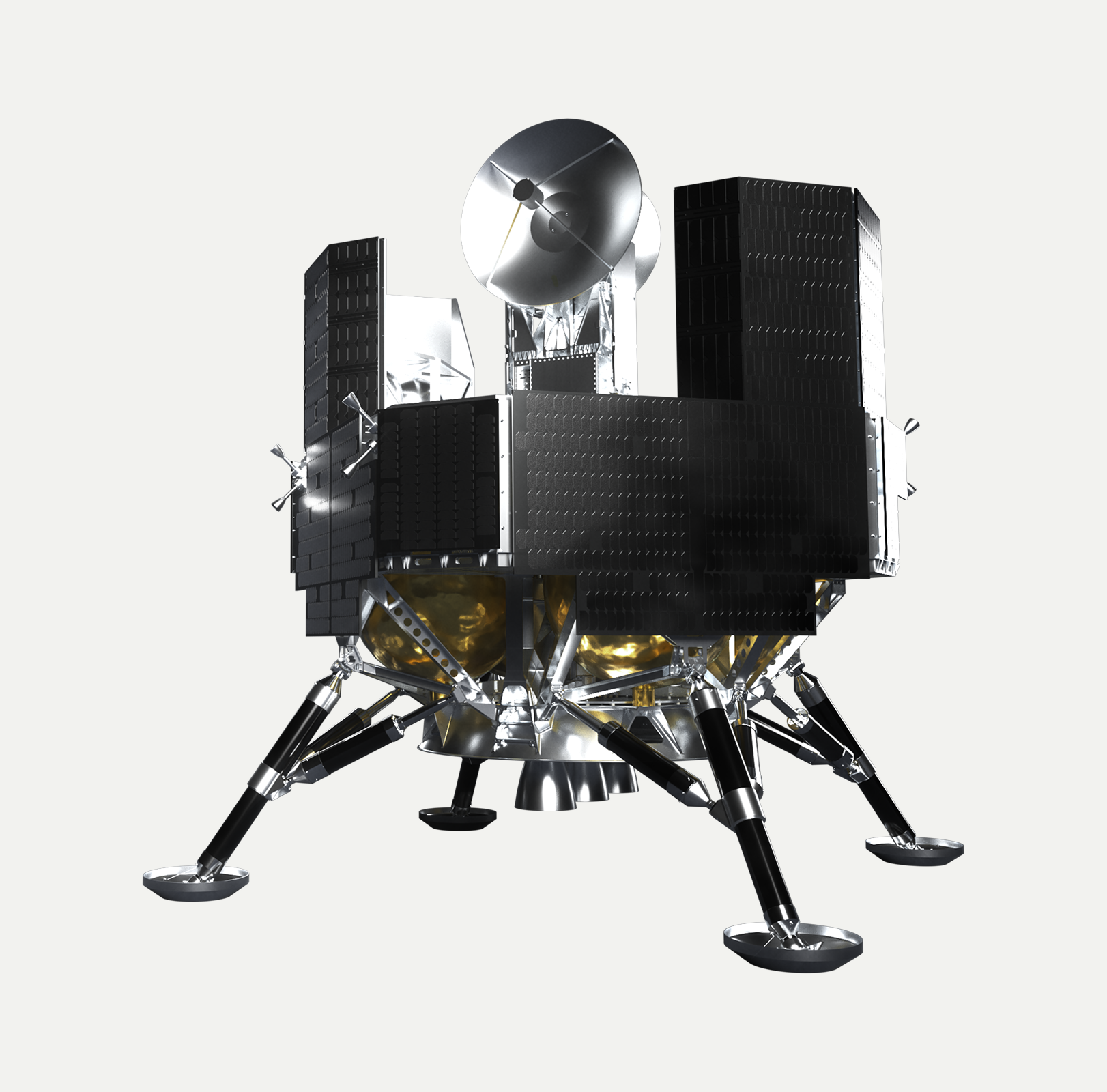
ULTRA Lander
Size:
Height approx. 3.6m
Width approx. 3.3m
(Landing legs extended)
Weight:
Approx. 1,000kg(Dry)
Payload Capacity:
Max. several hundreds kg
Summary:
Development of the ULTRA lander is currently under way. It will first be used for Mission 3, currently planned to launch in 2028. The ULTRA lander for Mission 3 is being funded by a Small Business Innovation Research grant administered by Japan’s Ministry of Economy, Trade and Industry. The same ULTRA lander design will further be used in Mission 4 and future missions.
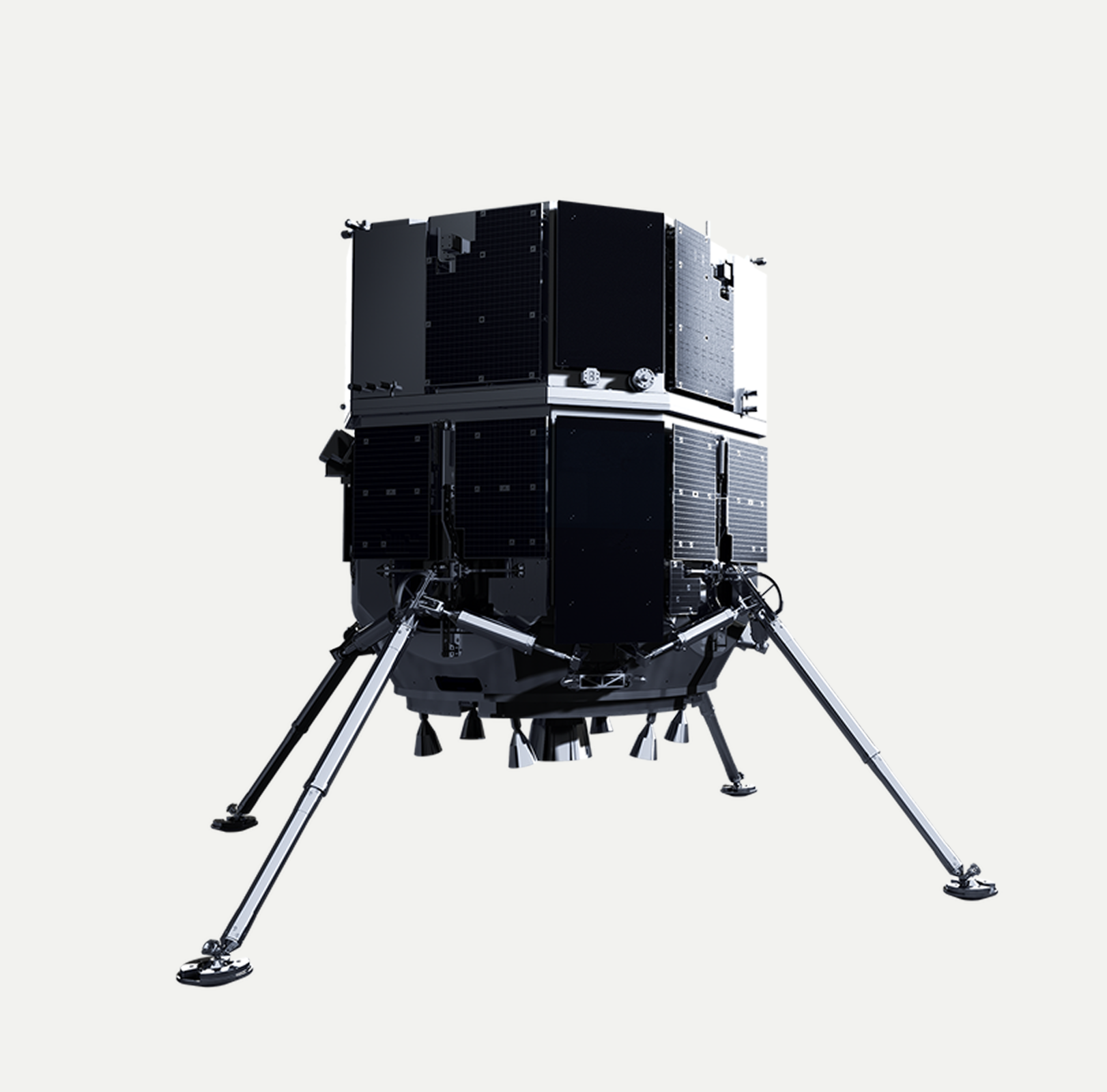
RESILIENCE Lander
A commercial lunar lander used for delivering customer payloads to the Moon
Size:
Height approx. 2.3m,
Width approx. 2.6m
(Landing legs extended)
Weight:
Approx. 1,000kg (Wet: fully fueled)
Approx. 340kg (Dry: unfueled)
Payload Capacity:
Up to 30kg
Summary:
Lander designed to carry up to 30kg payload for use in Missions 1 and 2; useful data obtained from M1 will be used in the development of the lander used in M2
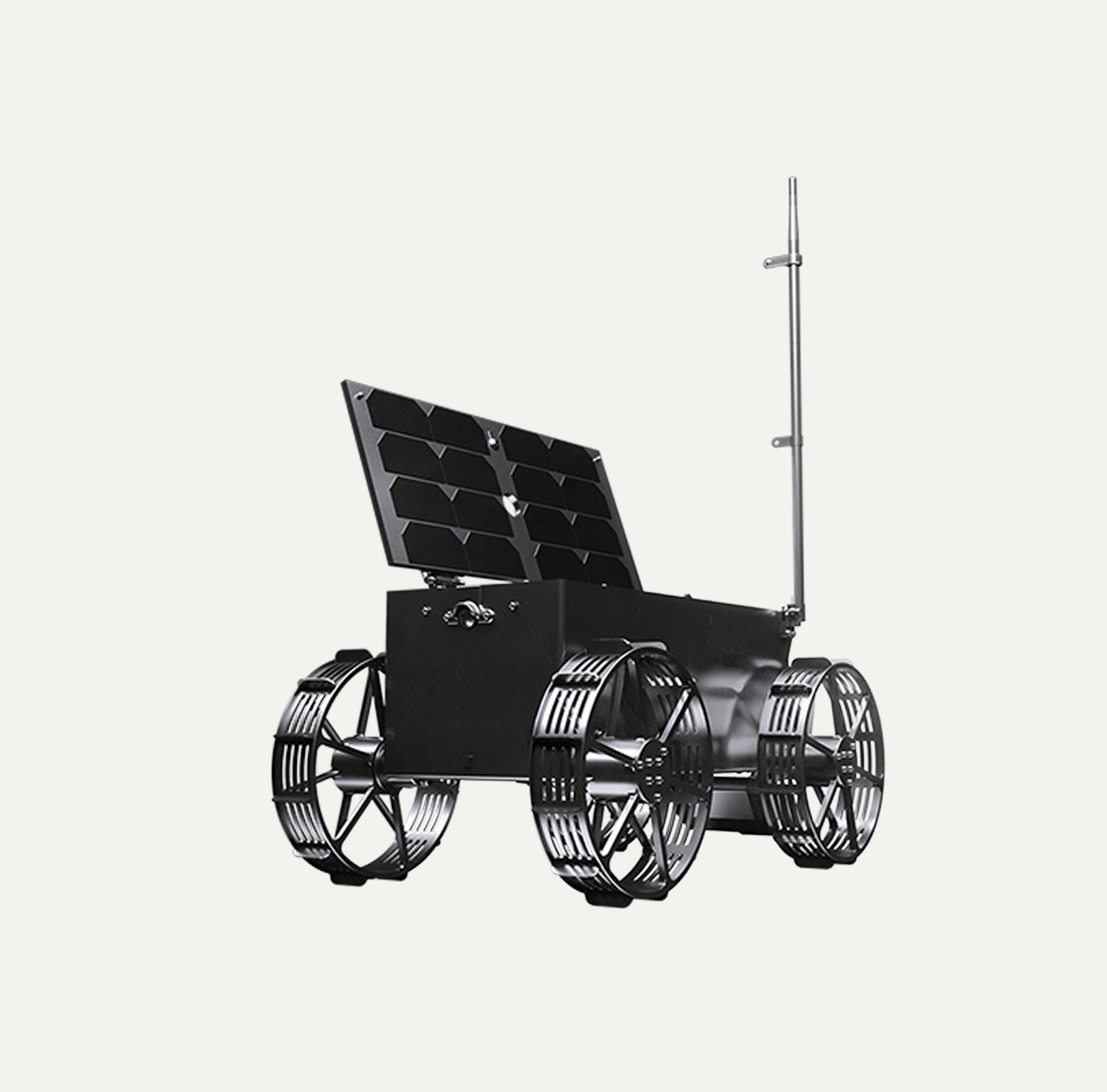
Tenacious
One of the smallest and lightest planetary rovers in the world
Size:
Height approx. 26 cm
Width approx. 31.5 cm
Weight:
Approx. 5kg
Payload Capacity:
Max. 1kg
Summary:
The self-propelled micro-rover is designed to navigate over the lunar surface to explore and collect data. The frame is made of CFRP (carbon fiber reinforced plastic), which is lightweight but durable enough to withstand vibrations.
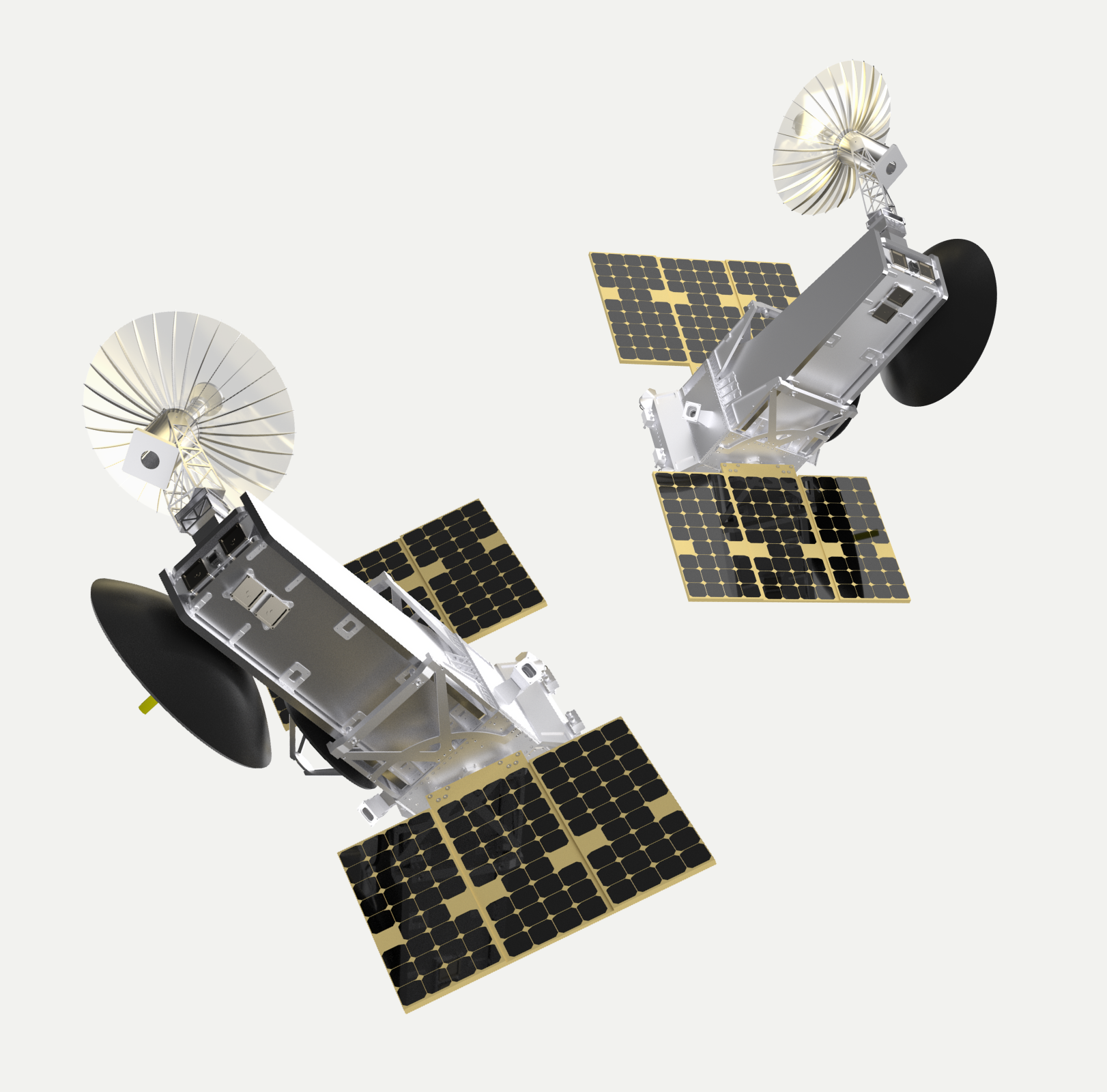
Alpine & Lupine satellites
Summary:
Alpine and Lupine are equipped with bi-directional S-band command, telemetry links, and a high-speed Ka-band lunar proximity uplink and X-band downlink to Earth for low-latency real-time communications. After the primary surface mission, Alpine and Lupine naturally circularize into High Circular Polar Orbits (HCPO). These orbits provide near-global coverage of the lunar surface with a focus region over the poles. For each lunar day cycle, the relays provide simultaneous visibility of Earth and lunar South Pole regions.
We draw on manufacturing expertise developed across ispace’s global engineering network.